The word holistic often evokes images of spa days or far‑off retreats, yet its true meaning is both grounded and practical. At its core, a holistic approach recognizes that a person’s body, mind, emotions, spirit, and environment form an interconnected web. One area influences the next, and sustained wellbeing arises when they move in harmony. In a world of quick fixes and fragmented solutions, this wider lens invites steadiness: a way to align daily habits with deeper values, to support personal vitality while honoring the living systems that make life possible.
Choosing a holistic path is not about perfection. It is about noticing the threads that link inner life to outer impact—food choices and local soil, screen time and sleep cycles, stress patterns and community ties. It’s a practice that grows from the inside out, often grounded in mindfulness, reflection, and a felt relationship with the Earth. With patience, it becomes less a task list and more a way of being—open‑hearted, attentive, and oriented toward the good of all.
What Holistic Really Means: From Personal Balance to Planetary Care
The simplest way to understand holistic living is to picture a circle rather than a line. Instead of isolating one symptom or one goal, it widens the view to include context. Health is not just about lab numbers; it’s also about the quality of your breath, the steadiness of your mood, the meaning in your days, and the health of the ecosystem that supports your food, water, and air. This perspective borrows from systems thinking: patterns arise from the whole, not just the parts. When the whole is tended to, individual pieces often improve as a natural result.
Consider the daily rhythm of a person balancing work, family, and community. A fragmented approach might treat low energy with extra coffee, sleeplessness with a late scroll, and tension with a sporadic workout. A holistic approach instead listens for root causes and interconnections. It might begin with a slow morning practice—three minutes of breathwork or gentle movement—followed by a nourishing breakfast tied to local seasons. It might prioritize stepping outdoors at midday to reset nervous system rhythms, and it might end with a quiet evening ritual that replaces blue light with a few pages of reading, journaling, or meditation.
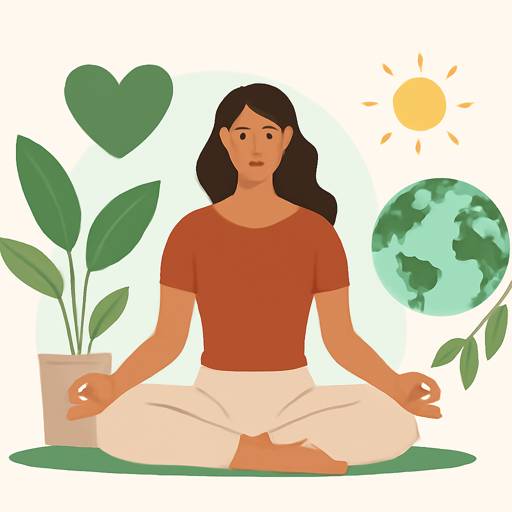
What makes this path potent is how it naturally extends to Earth stewardship. Personal calm reduces reactivity and overconsumption. Home cooking nudges attention toward ingredients and the farmers who grow them. Time in nature, even a small city park, rekindles gratitude and responsibility. In that way, holistic care becomes a two‑way bridge: inner balance supports wise choices, and Earth‑aligned choices nourish inner balance. The loop strengthens with practice. You might start by lowering food waste, choosing active transit once a week, or tending a windowsill herb. These small actions echo through sleep, stress, and mood, reminding you that wellbeing includes the land beneath your feet.
Importantly, this is not about strict rules. It is about attunement—learning to sense what brings you back to equilibrium and what frays that balance. By honoring seasonality in your routines, acknowledging emotions rather than suppressing them, and listening to the body’s feedback early, you place yourself in a living dialogue with life. That dialogue, held with kindness, is the essence of holistic wisdom.
Practical Framework: The Five Realms of Holistic Wellbeing
For those ready to translate ideals into action, it helps to organize holistic living into five realms: Body, Mind, Emotions, Spirit/Meaning, and Ecology/Community. Think of them as overlapping circles. Improvements in one often nudge the others in a positive direction, and gentle consistency matters more than intensity.
Body: Nourishment, movement, rest, and rhythm form the core. Aim for whole foods with recognizable ingredients, steady hydration, and eating with presence instead of distraction. Choose movement you enjoy—walking, yoga, dancing, resistance training—because pleasure sustains momentum. Protect sleep with a simple wind‑down ritual: dim lights, unplug, stretch, breathe. Track a few signals like energy levels and sleep quality to notice what helps most. This is where many people first feel traction because the body responds readily to steady care.
Mind: The mental realm benefits from intentional focus and gentle boundaries. A daily five‑minute practice of breath awareness or single‑tasking can reset attention in an age of constant inputs. Consider a “focus window” for deep work with notifications off, and leave buffer time between commitments. Consuming information more mindfully—sourcing it well, limiting doomscrolling—protects clarity. When the mind quiets, insight surfaces naturally, and decisions align more closely with values.
Emotions: Emotional literacy turns turbulence into guidance. Naming what you feel (“sad,” “irritated,” “uncertain”) engages the brain’s soothing centers. Practices like compassionate self‑talk, somatic grounding, or a brief check‑in before difficult conversations help release pressure before it builds. Over time, this steadiness spills into relationships, producing less reactivity and more repair. Measurable shifts include fewer stress spikes, less conflict rumination, and greater ease in expressing needs.
Spirit/Meaning: Whether approached through meditation, prayer, time in nature, or creativity, this realm supplies orientation. Ask, “What is worthy of my life energy today?” or “What would integrity look like right now?” Simple rituals—lighting a candle, observing a sunrise, journaling three gratitudes—anchor the felt sense of connection. Purpose doesn’t have to be grand; it can be the devotion of showing up fully for the small corner of the world you touch.
Ecology/Community: The final realm widens the circle to include the neighborhood, watershed, and planet. Choose lower‑impact habits that also enrich your life: cook from seasonal produce, mend an item before replacing it, support local makers, plant pollinator‑friendly flowers, or share tools with neighbors. Community circles—book clubs, meditation groups, gardening collectives—create accountability, friendship, and resilience. Track simple metrics like waste reduction, car‑free days, or hours volunteered. These not only reduce environmental footprint but also boost a sense of meaning and belonging.
Case example: After months of burnout, a teacher named Ana adopted a five‑realm check‑in. She added a 10‑minute walk at dawn (Body), a two‑minute breathing pause before class (Mind), a weekly feelings journal (Emotions), a Sunday gratitude note to a colleague (Spirit/Meaning), and a small compost bin at home (Ecology/Community). Within six weeks, she reported deeper sleep, steadier mornings, warmer classroom dynamics, and a lighter trash bag. None of these changes were flashy, but together they formed a holistic pattern shift—one that helped her and her community at once.
Mindful Routines and Earth‑Centered Rituals That Make Holistic Stick
Momentum in holistic living grows from routines that are both kind and repeatable. A powerful place to start is the morning threshold. Before the day accelerates, take a few slow breaths and ask, “What would make today feel coherent?” Choose one anchor—stretching, sipping warm water, stepping outside for daylight—and practice it consistently. Light exposure early in the day steadies circadian rhythm, which in turn supports sleep, mood, and digestion. This is a small hinge that swings a big door.
Midday, insert a reset. A two‑minute pause between tasks short‑circuits stress accumulation. Try a box‑breathing cycle, three shoulder rolls, or a glance at the sky. For meals, switch from autopilot to awareness: notice color, aroma, texture. Eat without a screen when possible. These moments are not indulgences; they are maintenance for your nervous system. As they compound, reactivity drops and discernment rises, making it easier to choose in ways that honor both personal health and the Earth.
Evenings call for gentle deceleration. Create a tech sunset 60 minutes before bed. Replace frantic catch‑up with soft light, a few pages of reading, or a short meditation. Consider a closing practice: list what worked, what was challenging, and what you appreciate—about yourself, another person, and the natural world. This gratitude triad rewires attention toward resources and relationships, including the living landscape that holds us all.
Rituals that align inner and outer care are especially potent. A weekly “Earth hour” might include tending houseplants, mending a garment, cooking a seasonal soup, or picking up litter on a favorite walking route. Monthly, host a circle with friends or neighbors. Share a mindful silence, discuss one poem or passage, and set a collective intention—perhaps to reduce single‑use plastics or to support a local garden. This kind of gathering weaves connection and responsibility, reminding everyone that wellbeing is shared.
For guidance that integrates heart‑centered awareness with practical steps, explore resources that marry mindfulness with stewardship. One helpful doorway into this wider view is holistic writing that invites reflection and action at once. When wisdom is drawn from quiet attention and offered in service of the common good, change becomes both sustainable and humane.
Remember that progress is cyclical. Seasons shift, energy ebbs and flows, and life asks for flexibility. Treat routines as living agreements, not rigid rules. If a week unravels, return to the smallest kind action available: one mindful breath before a meeting, one phone‑free meal, one act of care for the Earth. These micro‑practices are not trivial—they are seeds. Plant them in ordinary days and they grow into a steady, holistic way of moving through the world, where personal balance, compassionate community, and respect for Mother Earth reinforce one another, day by day.

Lahore architect now digitizing heritage in Lisbon. Tahira writes on 3-D-printed housing, Fado music history, and cognitive ergonomics for home offices. She sketches blueprints on café napkins and bakes saffron custard tarts for neighbors.