When the seasons change in Madison, windows close, heaters rumble to life, and indoor air does the heavy lifting. That’s when hidden dust, pet dander, construction debris, and even microbial growth inside your vents can cycle through rooms again and again. A professional air duct cleaning doesn’t just freshen the air—it supports cleaner lungs, smoother HVAC performance, and real energy savings. Whether you live near the lakes, in a historic home off the isthmus, or manage a busy office west of downtown, investing in high-quality duct care helps protect your system and the people who rely on it. If you’ve noticed extra dust, musty odors, or rising utility costs, it’s time to look inside the ductwork that powers your comfort.
Why Air Duct Cleaning Matters in Madison Homes and Businesses
Madison’s climate shapes how often your ducts work—and what can collect inside them. Long heating seasons mean furnaces push air through the same ductwork for months on end, while summer swings can introduce humidity that encourages unwanted growth on interior surfaces. Throw in spring pollen, leaf debris carried indoors in fall, and everyday particles from cooking and cleaning, and you’ve got a recipe for buildup. Over time, this debris acts like plaque in a bloodstream: it narrows pathways, slows airflow, and forces your HVAC to work harder, undermining both comfort and efficiency.
The health angle matters just as much. When your ducts recirculate dust, allergens, and fine particles, sensitive groups—like kids, seniors, and allergy sufferers—feel it first. Symptoms may include dry eyes, frequent sneezing, or lingering coughs that are worse at home or in the office. In some cases, moisture issues can contribute to mold or bacterial colonies on interior surfaces. Professional cleaning removes what basic filter changes can’t reach, improving indoor air quality and reducing the triggers that aggravate respiratory concerns. For local families coping with springtime tree pollen or autumn ragweed, cleaner ducts can make a noticeable difference in day-to-day comfort.
Then there’s the efficiency win. Debris-lined ducts restrict airflow, which can spike energy usage and shorten the life of components like blowers and heat exchangers. A thorough cleaning helps restore designed airflow, supports HVAC efficiency, and can contribute to lower monthly bills—particularly welcome during cold snaps when systems run nearly nonstop. Homebuyers and property managers across Dane County often schedule air duct cleaning before move-in or after tenant turnover to refresh the space and ensure the mechanicals start on a clean slate. It’s also smart after remodeling projects, when drywall dust and sawdust tend to settle in supply lines and returns even with the best containment.
In short, cleaning ducts in Madison isn’t just a “nice to have.” It’s a proactive step that keeps air healthier, systems happier, and budgets steadier throughout the year. When combined with good filtration—think the right MERV rating for your system—and routine maintenance, duct cleaning forms a cornerstone of an effective indoor air strategy.
What a Professional Air Duct Cleaning Includes (And Why It Works)
Quality service starts with inspection. Trained technicians assess supply and return trunks, registers, and key system components to identify dust loads, obstructions, moisture issues, and visible contamination. Clear documentation—photos or videos—helps establish a baseline and guide a customized plan. From there, the crew sets up containment to protect living or working spaces and to maintain negative pressure so loosened particles flow in one direction: into high-efficiency vacuum equipment, not back into rooms.
Next comes the core process. Professionals use powerful vacuums, often HEPA-filtered, connected directly to the duct system. Agitation tools—like rotary brushes, air whips, or compressed air nozzles—dislodge debris on duct walls and inside branches. Registers and grilles are removed, cleaned, and reinstalled. Attention extends to the blower compartment, evaporator coil housing (without damaging fins), and plenum, where accessible and appropriate. The goal is comprehensive removal of built-up dust, pet hair, construction residue, and other contaminants that impede airflow and recycle through your space. If odor or microbial issues are present, technicians may apply an EPA-registered sanitizer specifically designed for HVAC systems, following label directions and only when conditions warrant.
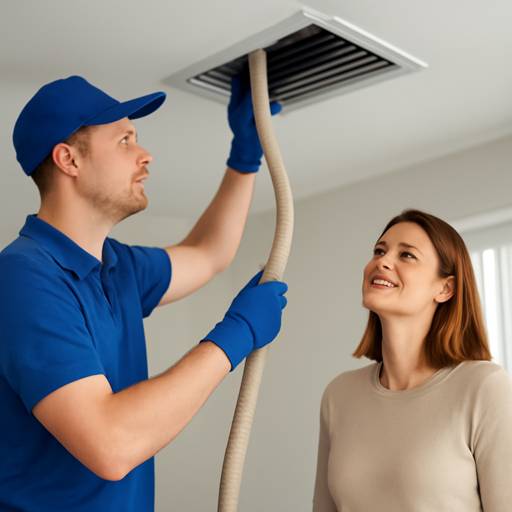
Smart providers also address the edge cases that undermine results. That includes checking for disconnected segments in crawlspaces, sealing accessible leaks that waste conditioned air, and replacing severely clogged filters. They’ll discuss filtration options—like upgrading to a properly sized MERV 11–13 filter for improved particle capture, when your system can handle it—and advise on maintenance intervals based on occupancy, pets, and local environmental factors. Many Madison homes benefit from pairing air duct cleaning with dryer vent cleaning, since lint-packed dryer exhausts are a common fire hazard and can increase dry times and energy usage.
Real-world scenarios illustrate the impact. Consider a near-east side home that underwent a kitchen renovation: even with plastic barriers, sanding and cutting released fine dust that migrated into returns. Post-project cleaning pulled large quantities of powdery debris from trunks and branches, reduced a telltale dusty film on surfaces, and improved the “freshness” of air after the first heat cycle of fall. In a small downtown office, cleaning supply runs feeding conference rooms resolved uneven airflow, helping the HVAC maintain setpoints without running overtime. In both cases, follow-up photos validated the results and supported a simple plan: regular filter swaps, seasonal system checks, and periodic cleaning to keep performance on track.
If you’re comparing options, look for a provider who explains their process in plain language, documents conditions before and after, and tailors recommendations to your building’s design and use. For a seamless start, explore a local Air Duct Cleaning Service that understands Madison’s climate and housing stock.
When to Schedule, Signs You Need It, and How to Choose the Right Team
Timing depends on your space and lifestyle. A general guideline for many Madison properties is every three to five years, but certain triggers call for earlier attention: moving into a new-to-you home, completing a remodeling project, bringing a shedding pet into the household, managing allergies or asthma, or tackling moisture issues after an appliance leak. Commercial properties with higher occupant turnover or sensitive operations (like clinics or childcare settings) may require more frequent service aligned with maintenance plans.
Watch for telltale signs. Persistent dust on flat surfaces shortly after cleaning, unusual odors when the furnace or AC cycles on, worsening allergy symptoms indoors, and rooms that never feel quite as comfortable as the thermostat suggests all point to airflow and cleanliness problems. Visually inspect registers: visible clumps of dust around grilles, black streaks from supply vents, or matted debris inside returns are red flags. Listen, too—whistling vents or unusually loud blower sounds can indicate restrictions. If your energy bills are creeping up without changes in weather or occupancy, restricted ducts can be a hidden factor.
Choosing the right team matters as much as timing. Prioritize technicians who use high-powered vacuums with proper filtration, provide before-and-after documentation, and follow industry-recognized procedures. Reputable providers are transparent about pricing—ideally quoting a full-system clean rather than a single-vent teaser rate—and will explain what is and isn’t included, such as coil cleaning access, sanitizer use, or minor duct sealing. In Madison, local knowledge goes a long way: older homes may have unique duct layouts, and basement humidity can fluctuate with lake-effect conditions, so it helps to work with pros familiar with these nuances.
Ask pointed questions: Will negative pressure be maintained during cleaning? What agitation tools will be used for metal versus flex ducts? How will you protect furnishings and prevent dust escape? Do you offer guidance on filter selection and replacement schedules tailored to my system? A trustworthy answer covers equipment, methodology, and aftercare. Just as important is the post-service plan—filter upgrades, suggestions to reduce humidity swings, and a recommended interval based on pets, occupants, and neighborhood factors like nearby construction or heavy pollen seasons.
Finally, integrate duct cleaning into a broader air quality strategy. Pair it with consistent filter changes, annual HVAC tune-ups, smart humidity control (keeping indoor RH generally between 35% and 50% through the year), source control for contaminants, and good ventilation practices when weather allows. In winter, when homes seal tight against cold and furnaces run constantly, the payoff from clean ducts is especially noticeable: steadier comfort, less dusting, and fewer irritants circulating in the air you breathe every day across Madison’s neighborhoods.

Lahore architect now digitizing heritage in Lisbon. Tahira writes on 3-D-printed housing, Fado music history, and cognitive ergonomics for home offices. She sketches blueprints on café napkins and bakes saffron custard tarts for neighbors.